Getting Addiction Treatment in Rural and Remote Alaska: Overcoming the Distance Barrier
Most Alaskans don't live near a treatment center. This guide explains how rural Alaskans can access addiction treatment through telehealth, community health aides, and state-funded travel assistance.
Imagine being ready to get help — truly ready. You have reached the point where you know you need treatment for your alcohol or drug use. You have found the courage to ask for help. And then you discover that the nearest treatment center is a $600 round-trip plane ride away, in a city where you know no one, with no support system, no way to maintain your income while you are gone, and no guarantee that you can afford the return flight.
This is the reality for tens of thousands of Alaskans living in rural and remote communities. The distance barrier to addiction treatment is not a minor inconvenience — it is a genuine structural obstacle that costs lives. This guide is written to help rural Alaskans understand every available pathway to treatment, from telehealth options they can access from their own home to state-funded travel assistance programs.
The Scale of the Access Problem
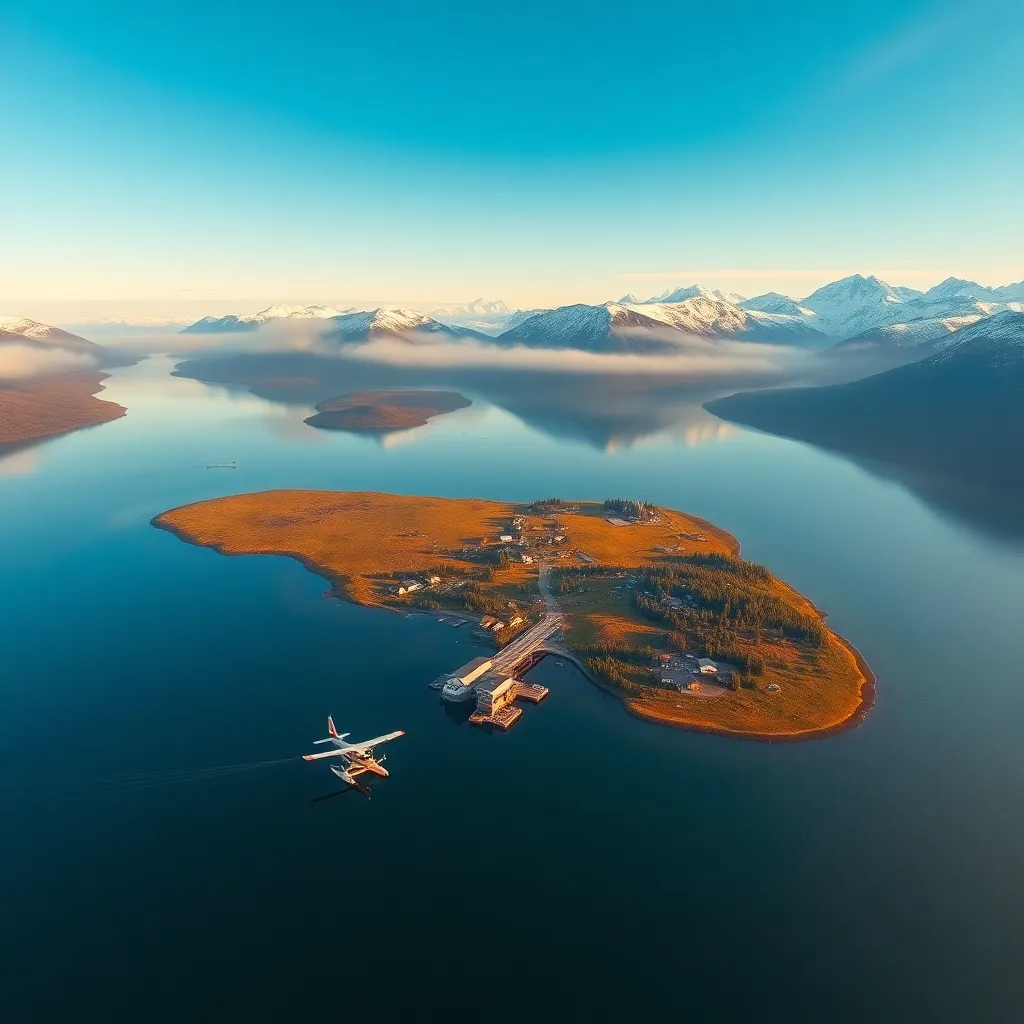
Alaska has 741 recognized communities. Of these, more than 80 percent are not connected to the state’s road system. They are accessible only by air, water, or — in some cases and only seasonally — overland trail.
SAMHSA’s Behavioral Health Barometer for Alaska has documented the substantial gap between the need for substance use disorder treatment in rural Alaska and the available services. Licensed addiction treatment programs are concentrated in Anchorage, Fairbanks, Juneau, and a handful of regional hub communities. A resident of Chevak, Atmautluak, or Shishmaref — communities of several hundred people accessible only by small plane — faces a treatment access situation that has no parallel in the continental United States.
The Alaska Department of Health (DOH) has long recognized the geographic access challenge as a core feature of Alaska’s behavioral health challenge. Multiple state plans and SAMHSA grant applications have identified rural treatment access as a priority concern.
Telehealth: The Most Accessible Option
For many rural Alaskans, telehealth-delivered addiction treatment is now the most practical path to professional care. The rapid expansion of telehealth during and after the COVID-19 pandemic — and associated regulatory changes that relaxed prescribing restrictions — has made it possible to receive high-quality addiction treatment without leaving your community.
What Can Be Done Via Telehealth in Alaska?
Buprenorphine prescribing and management: Following federal regulatory changes, buprenorphine (Suboxone, Sublocade) can be prescribed via telehealth without an initial in-person visit in many circumstances. Alaska providers licensed to prescribe buprenorphine can evaluate, initiate, and manage this medication via video visit. This is transformative for rural Alaskans with opioid use disorder who previously had to travel to receive this life-saving medication.
Naltrexone prescribing and management: Monthly Vivitrol injections require an in-person visit for the injection itself, but evaluation and management can often be conducted via telehealth. Community health clinics in many regional communities can administer the injection under a telehealth prescriber’s orders.
Outpatient counseling and therapy: Cognitive-behavioral therapy, motivational interviewing, and other evidence-based therapies can be delivered effectively via video. Alaska Medicaid covers telehealth behavioral health services.
Psychiatric evaluation and medication management: Co-occurring mental health conditions like depression, anxiety, and PTSD — which are common among people with addiction — can be evaluated and treated via telehealth.
Intensive outpatient programming: Some programs have developed telehealth-based IOP options.
Peer recovery support: Recovery coaches can provide support via phone or video.
Telehealth Access Points in Rural Alaska
If you do not have a reliable internet connection at home, telehealth is often available through:
- Tribal health clinics: Many villages have a tribal health clinic or community health aide station that can serve as a telehealth access point
- Indian Health Service facilities: IHS clinics in hub communities often have video conferencing capability
- Alaska’s Federally Qualified Health Centers (FQHCs): Operate in many rural communities
Telehealth Providers Serving Rural Alaska
Several organizations specifically target rural Alaska with telehealth addiction treatment:
- Southcentral Foundation: Has invested heavily in telehealth infrastructure serving rural Alaska Native communities
- Tanana Chiefs Conference (TCC): Serves Interior Alaska villages with telehealth behavioral health services
- SEARHC (Southeast Alaska Regional Health Consortium): Extends telehealth services to remote Southeast communities
- Norton Sound Health Corporation: Serves Nome and surrounding communities including telehealth behavioral health
- Yukon-Kuskokwim Health Corporation (YKHC): Provides telehealth services across the YK Delta
Community Health Aides: Front-Line Support in Your Village
Alaska’s Community Health Aide Program (CHAP) is one of the most innovative rural healthcare solutions in the world. Community Health Aides (CHAs) and Community Health Practitioners (CHPs) are trained residents of rural Alaska villages who provide primary care and emergency care under the supervision of physicians and advanced practitioners — often communicating via telemedicine.
While CHAs are primarily focused on primary care, they can play important roles in addiction-related care:
- Administering naloxone (Narcan) for opioid overdose reversal
- Supporting medication adherence for people on buprenorphine or naltrexone
- Providing initial screening and referral for substance use disorders
- Conducting brief interventions using motivational interviewing
- Facilitating telehealth consultations with behavioral health providers
- Serving as a trusted, local point of contact for people in need of support
SAMHSA has supported expanding the behavioral health competencies of Alaska’s CHAs, recognizing their unique position as community members with both clinical training and cultural trust.
State-Funded Travel Assistance for Treatment
For Alaskans who need in-person residential or intensive treatment that is not available in their community, travel to an urban treatment center is often necessary. The financial barrier to that travel is significant.
Alaska Medicaid Travel Benefits
Alaska Medicaid provides medical transportation benefits to covered services for eligible enrollees. This includes travel to medically necessary behavioral health services, including residential addiction treatment. The Alaska Medicaid program covers:
- Air travel (including charter flights from communities without scheduled service)
- Ground transportation
- Meals and lodging when overnight stays are required for treatment travel
To access Medicaid travel benefits, you typically need a referral from a treating provider and prior authorization. Contact Alaska Medicaid (1-800-780-9972) or your tribal health organization for assistance navigating the travel benefit process.
Tribal Health Organization Travel Programs
Many Alaska tribal health organizations have travel programs to assist members in accessing care that is not available locally. These programs may cover costs not addressed by Medicaid, provide assistance with logistics, or help members navigate the system. Contact your regional tribal health organization for information on available travel assistance.
The major tribal health organizations in Alaska include:
- Southcentral Foundation (Anchorage area and rural Southcentral)
- Alaska Native Tribal Health Consortium (ANTHC) (statewide services)
- Tanana Chiefs Conference (TCC) (Interior Alaska)
- Southeast Alaska Regional Health Consortium (SEARHC) (Southeast Alaska)
- Norton Sound Health Corporation (NSHC) (Nome region)
- Yukon-Kuskokwim Health Corporation (YKHC) (YK Delta)
- Bristol Bay Area Health Corporation (BBAHC) (Bristol Bay area)
- Kodiak Area Native Association (KANA) (Kodiak Island)
- Chugachmiut (communities east of Anchorage)
- Maniilaq Association (Northwest Alaska)
SAMHSA Block Grant Funding for Rural Access
The Alaska DOH administers SAMHSA block grant funds that include provisions for reducing barriers to treatment for rural and underserved populations. This funding has supported initiatives including travel assistance for rural Alaskans seeking residential treatment, expanded telehealth capacity, and outreach in rural communities.
Community-Based and Culturally Grounded Treatment
For many Alaska Native people, leaving their community for urban treatment is deeply disruptive — separating them from family, cultural connections, language, and land in ways that may undermine rather than support recovery. This has driven investment in community-based treatment approaches that bring care to people rather than requiring them to travel for care.
Residential treatment in regional communities: Some tribal health organizations have developed residential or transitional housing programs in regional hub communities that are more accessible than Anchorage, reducing but not eliminating the need for travel.
Extended community-based treatment: Programs that provide intensive outpatient-equivalent care within or near a person’s home community, often integrating traditional healing practices.
Recovery support in villages: Peer recovery support specialists, some trained through tribal organizations, provide ongoing support within village communities.
Practical Steps for Rural Alaskans Seeking Treatment
-
Contact your tribal health organization first: They know local resources, travel programs, and culturally appropriate options better than any outside provider.
-
Explore telehealth options: Ask your tribal health clinic or community health aide about telehealth behavioral health options available to you.
-
Apply for Alaska Medicaid if not already enrolled: Medicaid covers a wide range of addiction treatment services, including telehealth and travel to treatment.
-
Call the Alaska Addiction Hotline: Our counselors are specifically knowledgeable about rural Alaska treatment options and can help you navigate the system.
-
If travel is needed, plan for it: Work with your tribal health organization and Alaska Medicaid to arrange travel assistance before you go.
Get Help Today
Geographic distance should not be a death sentence for someone struggling with addiction in rural Alaska. The Alaska Addiction Hotline is available 24 hours a day, 7 days a week, with counselors who understand the unique challenges of accessing treatment in rural and remote communities. We can help you find telehealth options, connect with your tribal health organization, navigate Medicaid travel benefits, and take the first step toward treatment.
Call our hotline now. No matter where you live in Alaska — road system or no road system — help is closer than you think.
Continue Reading

Addiction in Alaska: Understanding a Unique and Serious Public Health Challenge
Alaska faces a multi-substance addiction crisis amplified by geographic isolation, economic challenges, and limited treatment access. This guide covers the scope of the problem and available help.
Alcohol Use Disorder in Alaska: A Deep-Rooted Public Health Emergency
Alaska has some of the highest rates of alcohol use disorder in the nation, with devastating impacts on families and communities statewide. Learn about the crisis, its causes, and treatment.