
Addiction in Alaska: Understanding a Unique and Serious Public Health Challenge
Alaska faces a multi-substance addiction crisis amplified by geographic isolation, economic challenges, and limited treatment access. This guide covers the scope of the problem and available help.
Alaska is unlike any other state in the union. Its geography — 663,000 square miles of tundra, mountains, coastline, and boreal forest — creates conditions that shape every aspect of life in the Last Frontier, including the nature and severity of its substance use crisis. Add extreme weather, long dark winters, geographic isolation, a history of economic boom and bust cycles, and significant disparities in access to health care, and you have a state that faces addiction challenges unlike those found anywhere else in America.
This guide provides a comprehensive overview of the addiction crisis in Alaska — its scope, its unique drivers, and the resources available to Alaskans who need help.
The Scope of Alaska’s Addiction Crisis
Alaska consistently ranks among the states with the highest rates of substance use disorder in the country. SAMHSA’s National Survey on Drug Use and Health has found that Alaska has significantly elevated rates of illicit drug use, heavy alcohol use, and substance use disorder relative to national averages.
The Alaska Department of Health and Social Services (DHSS) — now reorganized as the Alaska Department of Health (DOH) — tracks substance use mortality and morbidity across the state. Alaska has seen increases in drug overdose deaths in recent years, with opioids and stimulants driving much of the mortality. Fentanyl has increasingly appeared in Alaska’s drug supply, raising the stakes for every person using illicit drugs in the state.
Alcohol remains Alaska’s most significant and deadly substance use problem. Alaska has long had some of the highest rates of alcohol use disorder in the nation, with devastating consequences for individuals, families, and communities — particularly in Alaska Native communities. The CDC has documented Alaska’s elevated rates of alcohol-attributable mortality, which includes liver disease, accidents, violence, and other alcohol-related deaths.
The treatment gap in Alaska is substantial. SAMHSA estimates that the vast majority of people with substance use disorders in Alaska who need treatment do not receive it. The reasons are multiple and interconnected: geographic barriers, cost, lack of available providers, stigma, and cultural incompatibility of mainstream treatment models for Alaska Native people.
The Unique Drivers of Addiction in Alaska
Understanding why Alaska has such elevated rates of substance use requires looking at the specific conditions that shape life in the state.
Geographic Isolation
More than 80 percent of Alaska’s communities are not connected to the road system. Getting from a rural village to a city with treatment services may require a floatplane, a ferry, or a combination of boat and bush plane travel — at costs that can reach hundreds or even thousands of dollars and that are dependent on weather. This isolation is not merely inconvenient; it is a structural barrier to care that has no easy parallel in the lower 48 states.
Even in communities connected to the road system, Alaska’s vast distances mean that treatment centers may be hours away. A resident of a remote Yukon Kuskokwim Delta village seeking residential treatment may need to travel to Anchorage or Fairbanks — leaving behind family, employment, and community support.
Extreme Climate and Seasonal Variation
Alaska’s climate creates specific mental health stressors that contribute to substance use. The extreme darkness of winter — as little as 4-5 hours of daylight in interior Alaska during December — is associated with elevated rates of seasonal affective disorder (SAD) and depression. The isolation compounded by harsh weather creates conditions in which substance use can become a coping mechanism.
Conversely, Alaska’s summers — with nearly continuous daylight — can disrupt sleep and create their own form of psychological stress. The economic seasonality of industries like fishing, tourism, and construction creates boom-bust cycles in income, employment, and community stability.
Economic Factors
Alaska’s economy has historically depended on oil production, commercial fishing, tourism, and government employment. These industries are characterized by high pay, physical danger, economic volatility, and, in some cases, cultures that normalize heavy drinking and drug use. Oil field and fishing industry workers, for example, may earn substantial income during working periods but face long separations from family and social structures, and have historically worked in environments where alcohol and drug use is normalized during off-time.
The decline of Alaska’s Permanent Fund Dividend (PFD) purchasing power, fluctuations in oil revenue, and the impacts of climate change on fishing and subsistence economies have created economic anxiety and instability in communities across the state.
Historical Trauma in Alaska Native Communities
The history of Alaska Native peoples includes the devastating impacts of colonization — the forced removal of children to boarding schools, the suppression of Native languages and cultures, the disruption of traditional subsistence economies, and the introduction of alcohol into communities with no cultural framework for managing it. These historical traumas have created intergenerational effects that manifest, among other ways, as elevated rates of substance use disorder, mental health conditions, and suicide.
SAMHSA and the Indian Health Service (IHS) have both documented the relationship between historical trauma and contemporary health disparities in Indigenous communities. Addressing addiction in Alaska Native communities requires acknowledging and addressing this context.
Limited Mental Health and Addiction Treatment Infrastructure
Alaska has a severe shortage of behavioral health providers. The state consistently ranks at or near the bottom nationally for the number of psychiatrists, psychologists, licensed counselors, and addiction specialists per capita. Many communities — particularly rural and remote ones — have no local behavioral health providers at all.
This shortage means that people in crisis may not be able to access care quickly, if at all. It also means that the treatment that is available is often overwhelmed, with waiting lists for residential treatment and limited capacity in outpatient programs.
Substances Driving Alaska’s Crisis
Alcohol
Alcohol is the dominant substance in Alaska’s addiction crisis and has been for generations. Alaska has more communities with alcohol restrictions or prohibitions than any other state — more than 130 communities have voted to restrict or ban alcohol sales — yet alcohol continues to be a significant public health problem even in “dry” communities, where it is often bootlegged at extreme cost.
Opioids and Fentanyl
While opioid use disorder rates in Alaska are lower than in some other states, the emergence of fentanyl in the drug supply has significantly increased overdose risk. Fentanyl — manufactured illicitly in Mexico and transported to Alaska through drug trafficking networks — now contaminates heroin, counterfeit pills, and even other substances in Alaska. The state’s DHSS has documented fentanyl-involved overdose deaths and the DOH has responded with expanded naloxone distribution and opioid treatment program development.
Methamphetamine
Methamphetamine use has increased significantly in Alaska in recent years. Law enforcement and treatment providers have both documented a surge in meth-related activity. Meth is a particular concern because there are no FDA-approved medications for meth use disorder, making treatment more challenging and recovery more dependent on behavioral therapies and peer support.
Cannabis and Other Substances
Cannabis is legal for adult recreational use in Alaska, but cannabis use disorder affects a subset of users, and cannabis is commonly used in combination with other substances. Benzodiazepine misuse and prescription drug misuse also contribute to Alaska’s substance use burden.
What Alaska Is Doing
The Alaska Department of Health administers behavioral health services and distributes federal SAMHSA block grant funding to community behavioral health centers across the state. The state has invested in expanding telehealth-delivered addiction treatment, increasing naloxone distribution, and supporting Alaska Native-led treatment and recovery programs.
The Alaska Behavioral Health System (ABHS) includes a network of community behavioral health centers that provide outpatient and residential treatment services. The Behavioral Health and Recovery Services section of the Alaska DOH oversees the licensing and funding of these providers.
Get Help Today
If you or someone you love is struggling with addiction in Alaska, help is available — even in the most remote communities. The Alaska Addiction Hotline provides free, confidential support 24 hours a day, 7 days a week. Our counselors understand the unique challenges Alaskans face — the distances, the costs, the cultural considerations — and can help you navigate the system to find the care you need.
Call our hotline now. Alaska’s addiction crisis is serious — but recovery is real, and it is happening across the state every day. Let us help you find your way forward.
Continue Reading
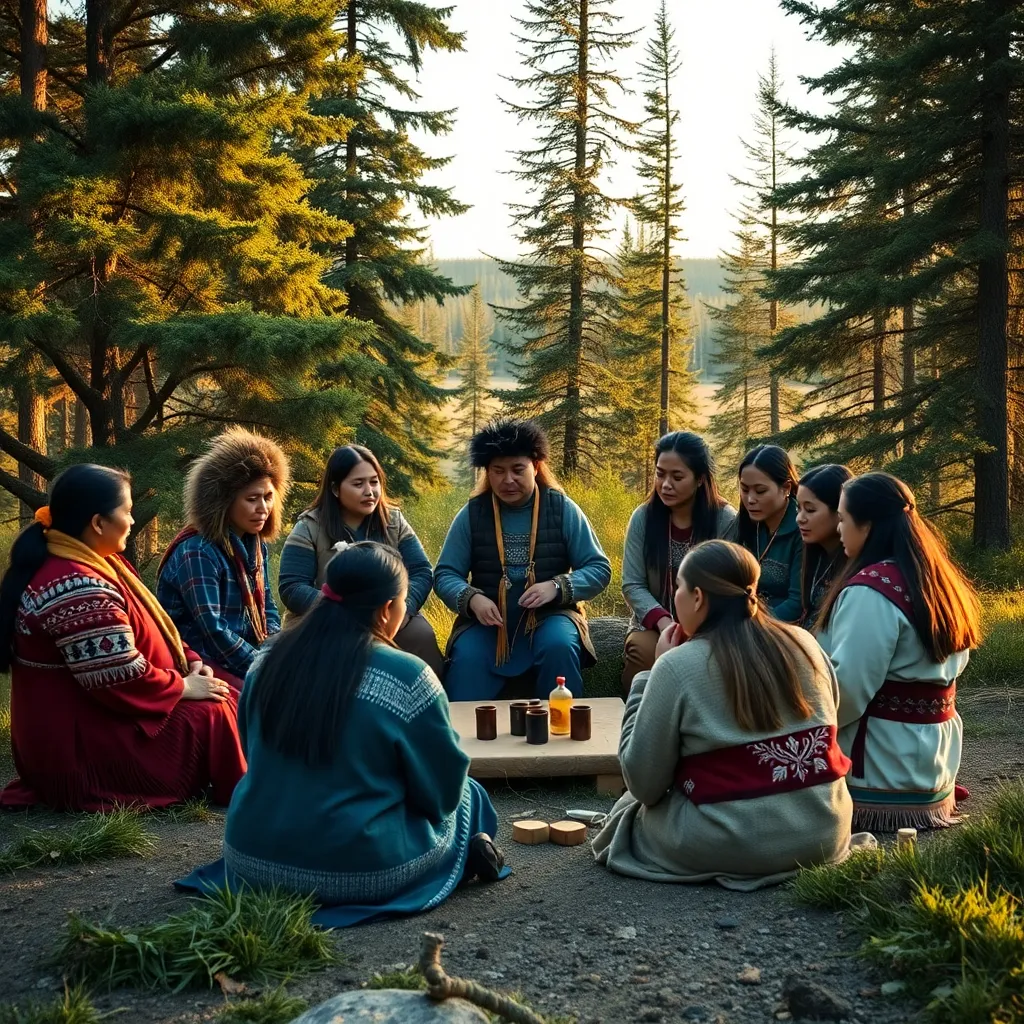
Addiction and Recovery in Alaska Native Communities: Understanding and Healing Together
Substance use disorder has had profound impacts on Alaska Native communities. This guide explores historical context, culturally appropriate resources, and the strengths of Native healing traditions.
Alcohol Use Disorder in Alaska: A Deep-Rooted Public Health Emergency
Alaska has some of the highest rates of alcohol use disorder in the nation, with devastating impacts on families and communities statewide. Learn about the crisis, its causes, and treatment.